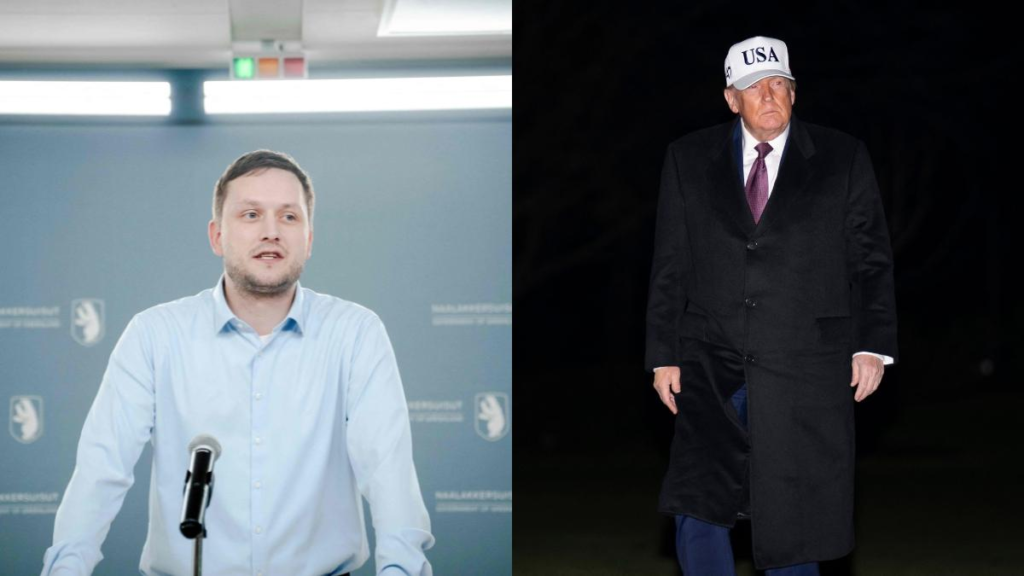
Greenland’s Leaders Reject Trump’s Takeover Rhetoric, Sparking Global Debate

Greenland’s Leaders Reject Trump’s Takeover Rhetoric, Sparking Global Debate

Greenland’s Leaders Reject Trump’s Takeover Rhetoric, Sparking Global Debate

In recent years, geopolitical discourse has been marked by unexpected statements and unconventional proposals. Still, few have generated as much international attention as the idea of the United States taking control of Greenland. When Greenland’s Leaders Reject such rhetoric, it not only asserts their political autonomy but also brings global focus to issues of sovereignty, colonial history, and modern power dynamics. The response from Greenland’s leadership was firm and symbolic, signaling that even in an era of aggressive geopolitical competition, territorial integrity and self-determination remain non-negotiable principles.

Greenland’s Leaders Reject Trump’s Takeover Rhetoric, Sparking Global Debate

Understanding Greenland’s Political Status

A Self-Governing Territory

Greenland is an autonomous territory within the Kingdom of Denmark, possessing its own government while Denmark manages defense and foreign affairs. When Greenland’s Leaders Reject external claims over their land, it reinforces the reality that Greenland is not a passive asset but a self-governing society with political agency. Over the decades, Greenland has steadily expanded its autonomy, developing institutions that reflect the will and identity of its predominantly Inuit population. This political framework is central to understanding why takeover rhetoric was met with strong opposition.

Historical Context of Territorial Claims

A Legacy of Colonial Thinking

The idea of acquiring territories through purchase or political pressure has historical roots in colonial-era practices. When Greenland’s Leaders Reject modern takeover rhetoric, they are also rejecting outdated notions that powerful nations can negotiate land ownership without the consent of its people. Greenland’s past under Danish colonial administration has left lasting sensitivities about control and exploitation, making contemporary discussions about ownership particularly charged and politically significant.

Trump’s Rhetoric and Global Reaction

A Proposal That Shocked Diplomacy

The suggestion that the United States could acquire Greenland was widely perceived as provocative and dismissive of international norms. As Greenland’s Leaders Reject such proposals, global leaders and analysts viewed the response as a reaffirmation of established diplomatic standards. The reaction from Europe, NATO allies, and international organizations highlighted concern over how casual rhetoric from powerful leaders can destabilize trust and cooperation in global politics.

Greenlandic Identity and National Pride

More Than Strategic Territory

Greenland is often discussed in terms of its strategic location and natural resources, but for its people, identity and culture are paramount. When Greenland’s Leaders Reject external control narratives, they are defending a distinct cultural heritage shaped by Arctic life, language, and traditions. This assertion of identity challenges the tendency of global powers to view smaller regions primarily through strategic or economic lenses rather than as living societies with their own aspirations.

Strategic Importance of Greenland

Arctic Security and Global Power

Greenland’s geographic position makes it strategically significant in the Arctic, especially amid rising tensions among global powers. When Greenland’s Leaders Reject takeover rhetoric, it complicates strategic calculations that prioritize military advantage over political consent. The Arctic is increasingly seen as a future arena for competition involving shipping routes, surveillance, and defense systems, making Greenland’s stance a key factor in regional stability.

Natural Resources and Economic Interests

The Wealth Beneath the Ice

Greenland holds vast mineral and rare-earth element reserves and potential energy resources, attracting international interest. As Greenland’s Leaders Reject rhetoric that frames the island as a commodity, they emphasize their right to control resource development on their own terms. Economic independence is a long-term goal for Greenland, and decisions about mining and investment are closely tied to environmental protection and community consent.

Environmental Concerns and Climate Change

A Fragile Arctic Ecosystem

Climate change has placed Greenland at the center of global environmental discussions due to melting ice sheets and rising sea levels. When Greenland’s Leaders Reject takeover narratives, they also highlight the importance of responsible stewardship of fragile ecosystems. External control driven by strategic or economic motives could undermine environmental protections, making Greenland’s insistence on autonomy critical for sustainable Arctic governance.

Denmark’s Role and Diplomatic Balance

Navigating a Complex Relationship

Denmark’s response to the takeover rhetoric involved balancing alliance politics with respect for Greenlandic autonomy. When Greenland’s Leaders Reject external claims, Denmark’s support reinforces the constitutional arrangement that recognizes Greenland’s self-rule. This episode tested the strength of the Danish-Greenlandic relationship and demonstrated how former colonial powers must adapt to partnerships based on equality and mutual respect.

International Law and Sovereignty

Legal Foundations of Self-Determination

International law strongly supports the principle of self-determination, especially for indigenous and autonomous regions. When Greenland’s Leaders Reject takeover rhetoric, they align their position with legal norms enshrined in the United Nations Charter. This legal backing strengthens Greenland’s stance and serves as a reminder that sovereignty cannot be overridden by economic or military power alone.

Media Framing and Public Perception

From Headlines to Global Debate

Media coverage played a crucial role in transforming a controversial statement into a global discussion. As Greenland’s Leaders Reject the rhetoric, international media framed the issue as a clash between outdated imperial thinking and modern democratic values. This framing influenced public opinion, generating widespread support for Greenland’s position and criticism of rhetoric perceived as dismissive of smaller nations.

Implications for Global Diplomacy

A Test Case for Power Politics

The episode raised important questions about how major powers communicate their strategic interests. When Greenland’s Leaders Reject takeover language, it signals that diplomacy rooted in respect and dialogue is essential for maintaining international stability. The situation serves as a case study in how rhetoric alone can strain alliances and provoke backlash even without concrete policy actions.

Indigenous Rights and Representation

Voices from the Arctic

Greenland’s population is predominantly Indigenous, making issues of representation especially significant. When Greenland’s Leaders Reject external claims, they amplify Indigenous voices in global politics. This stance contributes to broader movements advocating for Indigenous rights, self-governance, and participation in decisions affecting ancestral lands, particularly in resource-rich regions.

Long-Term Consequences for U.S. Foreign Policy

Lessons in Diplomacy and Perception

The reaction to the takeover rhetoric may influence how future U.S. administrations approach diplomacy with smaller or autonomous regions. As Greenland’s Leaders Reject such ideas, it underscores the importance of cultural sensitivity and respect for sovereignty in maintaining international credibility. The episode illustrates how rhetorical missteps can have lasting impacts on a nation’s global image.

Conclusion

The firm response to takeover rhetoric highlights the enduring relevance of sovereignty, identity, and international law in global politics. When Greenland’s Leaders Reject proposals that undermine their autonomy, they assert not only political independence but also cultural dignity and environmental responsibility. This episode has sparked a global debate about power, respect, and the evolving nature of diplomacy in the twenty-first century, reminding the world that even the smallest voices can carry significant influence on the international stage.

Comments

No comments yet. Why don’t you start the discussion?

Leave a Reply

Your email address will not be published. Required fields are marked *