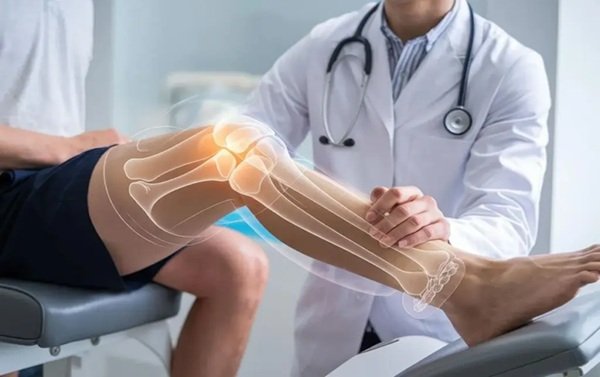

Orthopaedics (also spelled orthopedics) covers conditions affecting bones, joints, muscles, ligaments, tendons and related structures. Care may involve rehabilitation, nonsurgical treatment or surgery, depending on the diagnosis.
This guide explains common terms and care options. It is general education, not an assessment of your symptoms or a treatment recommendation.
The ability to walk, work, exercise, lift, bend, and perform everyday activities depends on a healthy musculoskeletal system. This system includes bones, joints, muscles, tendons, ligaments, cartilage, and nerves that work together to provide movement, balance, strength, and stability. When injury, disease, aging, or repetitive strain affects these structures, it can lead to pain, limited mobility, and a reduced quality of life.
Orthopedic care focuses on diagnosing, treating, preventing, and rehabilitating conditions of the musculoskeletal system. It serves people of all ages, from children with congenital bone conditions to athletes with sports injuries, adults with work-related pain, and older people with degenerative joint disease.
What Is Orthopaedics?
Orthopedic medicine is the branch of healthcare concerned with conditions affecting bones, joints, muscles, ligaments, tendons, and related structures. Orthopedic specialists help patients manage injuries, restore movement, reduce pain, and improve physical function.
The term “orthopedics” originally related to correcting bone deformities in children. Today, the field is much broader. It includes trauma care, joint replacement, sports medicine, spine care, hand surgery, foot and ankle care, pediatric bone conditions, rehabilitation, and treatment for arthritis and other degenerative diseases.
Many orthopedic conditions do not require surgery. Doctors often begin with a careful evaluation and conservative treatments such as rest, physical therapy, medication, braces, injections, or lifestyle changes. Surgery may be considered when symptoms are severe, function is significantly limited, or non-surgical care has not provided enough relief.
Understanding the Musculoskeletal System
The musculoskeletal system is made up of several connected parts, each with a different role.
Bones
Bones give the body structure, protect vital organs, store minerals, and work with muscles to create movement. A fracture occurs when a bone cracks or breaks due to trauma, repetitive stress, or weakened bone density.
Joints
Joints are where two or more bones meet. They make movement possible and are supported by cartilage, ligaments, muscles, and tendons. Common joint problems affect the knees, hips, shoulders, wrists, ankles, and spine.
Muscles
Muscles contract to move the body and help maintain posture. Muscle strains can occur when fibers are overstretched or torn, often during sports, heavy lifting, or sudden movement.
Ligaments and Tendons
Ligaments connect bone to bone and help stabilize joints. Tendons connect muscles to bones and transfer the force needed for movement. Injuries to these tissues include ankle sprains, anterior cruciate ligament (ACL) tears, tennis elbow, and Achilles tendon problems.
Cartilage
Cartilage is a smooth, flexible tissue that cushions joints and allows bones to move with less friction. It can wear down over time, especially in conditions such as osteoarthritis.
Common Orthopedic Conditions
Musculoskeletal conditions can be caused by sudden injuries, repetitive activity, aging, inherited conditions, inflammatory disease, or poor posture. Some of the most common orthopedic problems include:
- Fractures and dislocations
- Osteoarthritis
- Sports injuries
- Back and neck pain
- Tendinitis and bursitis
- Rotator cuff injuries
- Meniscus tears
- ACL and other ligament injuries
- Carpal tunnel syndrome
- Scoliosis and spinal deformities
- Hip and knee degeneration
- Foot and ankle conditions
- Osteoporosis-related fractures
Osteoarthritis can affect several tissues within a joint, including cartilage, bone, ligaments and the joint lining. It is not simply ordinary wear and tear. Symptoms can include pain, stiffness, swelling and restricted movement. The NIAMS osteoarthritis overview explains these changes and why their effects vary between people.
Sports injuries can affect people at any fitness level. They may result from contact, improper technique, inadequate warm-up, overtraining, or repeated stress. Prompt assessment can help determine whether an injury is minor or needs specialized treatment.
When to seek urgent care or an orthopaedic appointment
Injuries that need immediate attention
Do not wait for a routine specialist appointment after a suspected serious fracture. Seek emergency care for an exposed bone, heavy bleeding, a visibly deformed limb, or numbness after an injury. The NHS arm and wrist fracture guidance advises A&E or 999 in the UK for an injured arm or wrist with numbness, tingling, heavy bleeding, exposed bone or an abnormal angle. Elsewhere, use your local emergency service.
Persistent pain and movement problems
For ongoing pain, stiffness or difficulty with daily activities, a primary-care clinician can assess the problem and arrange referral if appropriate. An orthopaedic appointment does not automatically mean surgery. Seek prompt assessment if pain is severe, an injury prevents weight-bearing or limb movement, or symptoms are worsening rather than waiting a fixed number of days.
How Orthopedic Conditions Are Diagnosed
Accurate diagnosis begins with a detailed medical history and physical examination. A doctor may ask when symptoms began, what movements make them worse, whether an injury occurred, and how pain affects work, exercise, and daily activities.
Depending on the condition, diagnostic tools may include:
- X-rays to evaluate bones and fractures
- MRI scans to examine ligaments, tendons, cartilage, muscles, and soft tissue
- CT scans for detailed views of bones and complex injuries
- Ultrasound for certain tendon, muscle, or joint problems
- Blood tests when inflammation, infection, or autoimmune disease is suspected
- Nerve-conduction studies for numbness or nerve-related symptoms
Tests are chosen according to the clinical findings; everyone does not need every scan listed above. For osteoarthritis, NIAMS describes assessment and treatment options, including clinical history, examination and selected investigations. A correct diagnosis is important because similar symptoms can have different causes. For example, knee pain may result from arthritis, a meniscus tear, tendon irritation, ligament injury, hip problems, or nerve-related pain.
Non-Surgical Treatment Options
Surgery is not always the first solution. Many orthopedic conditions respond well to conservative treatment, especially when addressed early.
Rest and Activity Modification
Resting an injured area can reduce strain, but complete inactivity is not always best. Doctors may recommend modifying activities while maintaining safe movement to prevent stiffness and weakness.
Physical Therapy
Physical therapy is a key part of orthopedic recovery. It can help improve strength, flexibility, balance, posture, and joint stability. A personalized rehabilitation plan may also reduce the risk of future injury.
Medication and Injections
Depending on the diagnosis, a doctor may recommend pain-relief medication, anti-inflammatory drugs, or carefully selected injections. These treatments can reduce symptoms and make rehabilitation easier, but they should be used under medical guidance.
Bracing and Support Devices
Braces, splints, orthotics, and walking aids can protect an injured area, improve alignment, and support healing. They may be useful for knee injuries, wrist conditions, ankle instability, and foot problems.
Surgical Treatment and Modern Practices
When non-surgical care is not enough, surgery may help restore stability, reduce pain, or improve mobility. The type of procedure depends on the condition, the patient’s overall health, and treatment goals.
Common procedures include fracture fixation, arthroscopy, ligament reconstruction, tendon repair, spinal surgery, joint replacement, and hand or foot surgery. Arthroscopy is a minimally invasive procedure that uses a small camera and specialized instruments to examine or treat a joint. It is commonly used for some knee, shoulder, hip, and ankle conditions.
Joint replacement may be considered for advanced arthritis when pain and reduced function significantly affect daily life. In a knee or hip replacement, damaged joint surfaces are replaced with artificial components designed to restore smoother movement.
The Liv Hospital website is a provider resource. Hospital service descriptions should be distinguished from independent evidence about whether a procedure is appropriate for an individual patient.
The Importance of Rehabilitation
Recovery does not end when a cast is removed or surgery is completed. Rehabilitation helps the body regain mobility, strength, coordination, and confidence. The length of recovery varies based on the injury, treatment, age, activity level, and individual health factors.
A rehabilitation plan may include range-of-motion exercises, strengthening activities, balance training, gait training, and gradual return to work or sports. Following the plan consistently can improve recovery and reduce the risk of reinjury.
Protecting Your Musculoskeletal Health
Healthy habits can support strong bones and joints throughout life. Consider the following:
- Stay physically active with exercises appropriate for your fitness level
- Warm up before sports and use proper technique
- Maintain a healthy body weight to reduce stress on joints
- Include calcium, vitamin D, protein, and other essential nutrients in your diet
- Use supportive footwear
- Practice good posture at work and while using digital devices
- Avoid smoking, which can affect bone healing
- Seek early evaluation for persistent pain or repeated injuries
Planning Your Next Step
Orthopedic medicine plays a vital role in helping people stay active, mobile, and independent. Whether the issue is a fracture, sports injury, arthritis, back pain, or joint degeneration, early diagnosis and a personalized care plan can make a meaningful difference.
The best treatment is not always surgery. For many people, a combination of medical assessment, physical therapy, activity changes, and healthy habits can relieve symptoms and improve function. When surgery is necessary, rehabilitation and follow-up care remain essential parts of recovery.
Sources and related reading
The American Academy of Orthopaedic Surgeons overview explains the specialty and the role of orthopaedic surgeons. For another medical topic, see our stem cell research and treatment-limits guide. Experimental therapies should not be assumed effective for an orthopaedic condition simply because they use stem cells.