stem-cell
stem-cell

What Are Stem Cells and Why Are They Important?

Stem cells are among the most remarkable building blocks in the human body. They help us develop from a single cell into a complex person made of organs, muscles, bones, nerves, skin, and blood. Their unique ability to renew themselves and develop into specialized cells has made them a central focus of modern medical research. As regenerative medicine develops, scientists are exploring how these cells may help repair damaged tissues, improve treatment options, and deepen our understanding of many serious health conditions.

For patients researching advanced regenerative care, Liv Hospital explains that cellular therapy should be approached through science, strict quality controls, medical assessment, and realistic expectations—not as a miracle cure.

Stem Cell Overview and Definition

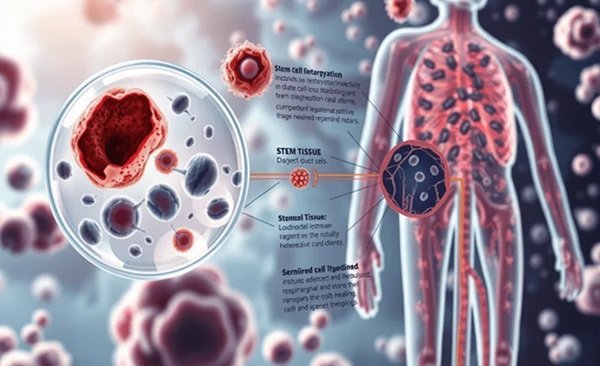
A stem cell is an unspecialized cell with two defining abilities: it can make more copies of itself, and it can develop into one or more specialized types of cells. This process is called differentiation. Depending on the type of stem cell and the conditions around it, the cell may become a blood cell, bone cell, cartilage cell, muscle cell, nerve cell, or another type of tissue cell.

In early development, stem cells help form every part of the body. In adulthood, they continue to play a role in maintenance and repair. For example, the bone marrow regularly produces new blood cells, while stem-cell populations in the skin and gut help replace cells that naturally wear out over time.

These properties make stem cells different from most ordinary body cells. A mature heart cell, for example, is designed to perform a specific job, while a stem cell has greater flexibility and can contribute to growth, renewal, or repair when the body needs it.

The Two Main Abilities of Stem Cells

Stem cells are important because of two core biological features:

1. Self-Renewal

Self-renewal means that stem cells can divide and produce additional stem cells. This ability helps maintain a long-term supply of cells for tissue maintenance and repair. Without it, the body could not continually replace blood cells, skin cells, and other cells that have a limited lifespan.

2. Differentiation

Differentiation is the process through which a stem cell becomes a specialized cell. During development, this process creates the many different tissues and organs in the body. In medical research, scientists study differentiation to understand whether cells can be guided to help repair or replace damaged tissue.

Together, self-renewal and differentiation make stem cells a powerful area of study in biology, disease research, and regenerative medicine.

Types of Stem Cells

Different types of stem cells have different origins and capabilities. Understanding these differences is essential because their possible medical uses, ethical considerations, and safety requirements are not the same.

Embryonic Stem Cells

Embryonic stem cells are obtained from very early-stage embryos and can develop into almost any type of cell in the body. Their broad potential makes them valuable for scientific research. However, their use raises ethical concerns and requires strict regulation.

Adult Stem Cells

Adult stem cells are found in developed tissues, including bone marrow, fat tissue, skin, and blood. They are generally more limited in the types of cells they can become than embryonic stem cells, but they play an important role in normal tissue repair.

Bone marrow-derived cells are well known for their role in blood and immune-system function. They are also studied in orthopedic and musculoskeletal care. Fat-derived cells are another commonly researched source because fat tissue can contain regenerative cells and may be collected through a minimally invasive procedure.

Umbilical Cord-Derived Cells

Cells obtained from umbilical cord tissue after birth are another area of regenerative medicine research. These cells are collected from screened donations and do not harm the mother or baby. Because they are relatively young, they may have useful biological properties, but their use must follow strong donor-screening, laboratory, and regulatory standards.

How Stem Cells Support Healing

The body naturally responds to injury by sending biological signals to the damaged area. Researchers are studying how stem cells respond to these signals and how they may support repair processes.

One possible mechanism is known as “homing.” This describes the ability of certain cells to move toward areas where the body has released distress or inflammation signals. Once there, they may influence the local healing environment.

Cells may support repair in two broad ways. First, under the right conditions, they may contribute to the formation of new tissue. Second, they can release signaling molecules, growth factors, and other substances that communicate with nearby cells. These signals may help regulate inflammation and encourage existing cells to participate in natural recovery processes.

However, this does not mean that every treatment will work for every person or condition. Outcomes depend on the disease, the patient’s health, the type and source of cells, the treatment protocol, and the quality of clinical care.

Why Stem Cells Matter in Medicine

Stem cells are important because they may help medicine move beyond simply managing symptoms toward supporting tissue repair. Traditional treatments such as pain medication, insulin, or physical therapy can be highly valuable, but they may not directly restore damaged tissue. Regenerative medicine aims to study whether biological processes can be used to support healing more directly.

Stem-cell research is especially relevant in several areas:

  • Blood and bone marrow disorders
  • Leukemia, lymphoma, and multiple myeloma treatment
  • Bone marrow transplantation
  • Orthopedic injuries and cartilage problems
  • Wound-healing research
  • Immune and inflammatory conditions
  • Neurological and cardiovascular research

One of the most established medical uses is hematopoietic stem-cell transplantation. This procedure may be used for certain blood cancers and bone marrow disorders. It can help restore blood-forming cells after high-dose chemotherapy or when the bone marrow is unable to function normally.

At the same time, many other applications remain under research or are appropriate only for carefully selected patients. It is important to distinguish between treatments supported by strong clinical evidence and therapies still being studied.

Quality, Safety, and Ethical Care

Safety is one of the most important parts of any cellular therapy. The cells themselves are only one part of the process. Safe care also depends on how the cells are collected, processed, tested, stored, and delivered.

A high-quality laboratory process should focus on sterile handling, cell viability, accurate cell counts, traceability, and documentation. Good Manufacturing Practice (GMP) standards are designed to support controlled and consistent processing, helping reduce the risk of contamination or poor-quality cellular products.

Patients should be cautious about clinics that promise guaranteed results, instant cures, or treatment for every disease. Reputable providers perform full medical evaluations, discuss possible benefits and risks, explain alternative treatments, and set realistic expectations.

Ethics also matter. The source of cells, donor screening, patient consent, regulatory compliance, and honest communication should all be part of responsible treatment planning. Active cancer, uncontrolled infection, and certain health conditions may affect whether a patient is suitable for a cellular therapy.

The Future of Stem-Cell Research

The future of stem-cell science is promising, but it must be guided by careful research. Scientists continue to investigate how cells can be used to model diseases, test new medicines, repair tissue, and improve personalized treatment strategies.

Researchers are also studying related technologies, including exosomes—small particles released by cells that can carry biological signals. These may help scientists understand cell communication and tissue repair more clearly. Like stem-cell therapies, however, exosome-based treatments require strict quality control and medical oversight.

As knowledge grows, regenerative medicine may offer new possibilities for conditions that are currently difficult to treat. Progress will depend on well-designed clinical studies, ethical standards, expert medical teams, and patient safety.

Conclusion

Stem cells are important because they have the potential to renew themselves, develop into specialized cells, and support the body’s natural repair processes. They are already essential in some established treatments, especially for blood and bone marrow disorders, while other applications continue to be researched.

The most responsible way to view regenerative medicine is with optimism and caution. Stem-cell science offers exciting possibilities, but safe and effective care requires evidence-based treatment, qualified medical professionals, quality-controlled laboratories, and realistic expectations. Patients considering any regenerative treatment should always speak with a licensed doctor to understand whether it is appropriate for their individual condition.

Comments

No comments yet. Why don’t you start the discussion?

Leave a Reply

Your email address will not be published. Required fields are marked *