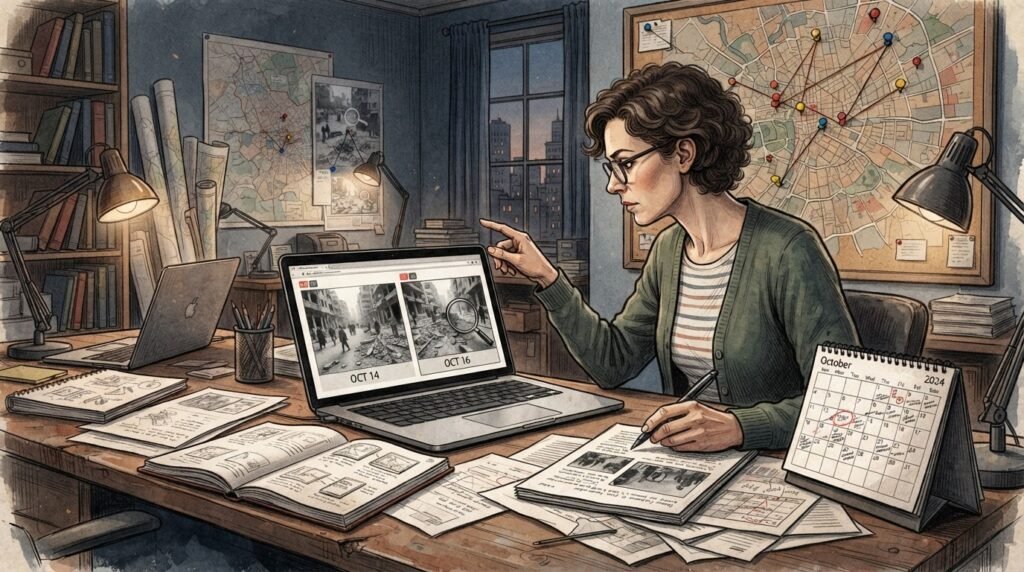

USA news pictures is a search phrase that deserves a useful answer rather than a random collection of impressive photographs. Searching for USA news pictures is easy; identifying pictures that accurately document a specific story requires careful attention to source, timing and context. This guide focuses on practical steps, responsible visual communication and ways to tell meaningful coverage from a misleading repost.
When photographs are presented with clear sourcing, dates and carefully written explanations, they can deepen understanding. When captions are missing, viewers may mistake an archive image for a current event or an illustration for evidence. The guidance below is designed for everyday readers, researchers and creators who want a more dependable way to find and interpret visual stories.
Search With Specific Details
Use the subject, city and approximate date when possible. A generic image search tends to return unrelated stock photos and old articles.
For example, imagine encountering a dramatic image of a busy American street. Without a clear source and date, the scene could show a festival, a transport disruption or a completely unrelated event. The responsible reader looks for the original report before accepting any particular interpretation. The same principle applies to quieter images showing ordinary people at work or at home.
For someone researching USA news pictures, the actionable takeaway is to record what is actually known, separate interpretation from observation and keep the source available for later checking. A picture is most useful when it adds an identifiable, verifiable detail to a wider story. Accurate information should remain understandable even when the image is viewed out of its original social-media context.
Distinguish Search Snippets From Reporting
A thumbnail is a preview, not a complete story. Open the original publication page and read the caption and story before drawing conclusions.
An editorial decision should always connect the image to a question the audience is actually trying to answer. Ask what the picture adds that text alone would not explain, and then ask which details still require reporting. This distinction prevents an attractive thumbnail from doing the work of evidence.
For someone researching USA news pictures, the actionable takeaway is to record what is actually known, separate interpretation from observation and keep the source available for later checking. A picture is most useful when it adds an identifiable, verifiable detail to a wider story. Accurate information should remain understandable even when the image is viewed out of its original social-media context.
Check the Original Photographer Credit
Agency or named photographer credits help you trace an image’s editorial origin. Unattributed reposts should be treated more cautiously.
In practice, you can make this check in a few minutes: open the complete story, identify the stated source, compare the relevant facts with a second account, and note unresolved details. It is better to acknowledge uncertainty than to fill gaps with plausible-sounding assumptions.
For someone researching USA news pictures, the actionable takeaway is to record what is actually known, separate interpretation from observation and keep the source available for later checking. A picture is most useful when it adds an identifiable, verifiable detail to a wider story. Accurate information should remain understandable even when the image is viewed out of its original social-media context.
Read Dates in Their Proper Context
An article may have been updated recently while using a file image captured years earlier. Look for labels such as archive, file photo or illustration.
For example, imagine encountering a dramatic image of a busy American street. Without a clear source and date, the scene could show a festival, a transport disruption or a completely unrelated event. The responsible reader looks for the original report before accepting any particular interpretation. The same principle applies to quieter images showing ordinary people at work or at home.
For someone researching USA news pictures, the actionable takeaway is to record what is actually known, separate interpretation from observation and keep the source available for later checking. A picture is most useful when it adds an identifiable, verifiable detail to a wider story. Accurate information should remain understandable even when the image is viewed out of its original social-media context.
Recognize Geographic Confusion
American cityscapes and crowd scenes can look similar across regions. Landmarks, local reporting and precise captions are better evidence than guessing from appearances.
An editorial decision should always connect the image to a question the audience is actually trying to answer. Ask what the picture adds that text alone would not explain, and then ask which details still require reporting. This distinction prevents an attractive thumbnail from doing the work of evidence.
For someone researching USA news pictures, the actionable takeaway is to record what is actually known, separate interpretation from observation and keep the source available for later checking. A picture is most useful when it adds an identifiable, verifiable detail to a wider story. Accurate information should remain understandable even when the image is viewed out of its original social-media context.
Respect Copyright and Reuse Rules
Publicly viewable pictures are not automatically free to copy. Verify licensing or obtain permission for reuse, including thumbnails used in commercial content.
In practice, you can make this check in a few minutes: open the complete story, identify the stated source, compare the relevant facts with a second account, and note unresolved details. It is better to acknowledge uncertainty than to fill gaps with plausible-sounding assumptions.
For someone researching USA news pictures, the actionable takeaway is to record what is actually known, separate interpretation from observation and keep the source available for later checking. A picture is most useful when it adds an identifiable, verifiable detail to a wider story. Accurate information should remain understandable even when the image is viewed out of its original social-media context.
Organize a Trustworthy Collection
For research, track image origin, capture date, relevant article and permissions in a small table. This makes corrections and follow-up much easier.
For example, imagine encountering a dramatic image of a busy American street. Without a clear source and date, the scene could show a festival, a transport disruption or a completely unrelated event. The responsible reader looks for the original report before accepting any particular interpretation. The same principle applies to quieter images showing ordinary people at work or at home.
For someone researching USA news pictures, the actionable takeaway is to record what is actually known, separate interpretation from observation and keep the source available for later checking. A picture is most useful when it adds an identifiable, verifiable detail to a wider story. Accurate information should remain understandable even when the image is viewed out of its original social-media context.
A Practical Checklist for Readers
- Start with the precise topic or place you want to investigate, not just a broad headline.
- Open the source page and identify its publisher, date, caption and photographer or creator.
- Verify the event and location with independent reporting or primary records.
- Note whether the picture is a live photograph, archival material, a stock image or an AI illustration.
- Check whether the caption accurately limits its claims to what has been established.
- Respect copyright, permissions and privacy before copying or sharing.
- Return to the original article for corrections or updates when the story is still developing.
This checklist is particularly valuable when images travel through messaging apps or social feeds, where a repost often removes essential provenance. Screenshots may preserve the picture while hiding the original context. If you cannot find enough information to establish what an image depicts, treat its more ambitious claims as unverified.
Frequently Asked Questions
What does USA news pictures usually refer to?
It generally describes American news pictures or image-led information about events in the United States, although the exact search intent varies by reader. A full article and caption are more useful than a picture alone.
How can I know a photograph is current?
Look for a capture date, the original source and independent reporting about the named event. A recent upload time alone does not establish when the image was taken.
Can I use any image found in search results?
No. Visibility in a search engine is different from permission to reuse. Review copyright and licensing before republishing photographs or illustrations.
Are AI-generated pictures acceptable in articles?
Clearly labeled illustrations can be useful in explainers. They must not be represented as authentic documentary evidence of an event that actually happened.
What should I do when photo captions conflict?
Return to the original publisher, compare reliable sources and avoid sharing the contested claim until evidence resolves it.
Final Thoughts
Searching for USA news pictures is easy; identifying pictures that accurately document a specific story requires careful attention to source, timing and context. The best coverage combines useful visual material with careful sourcing, readable explanations and a willingness to correct mistakes. Rather than trusting the first striking image, ask whether its caption and surrounding reporting withstand scrutiny. That habit makes searching for USA news pictures more informative and less vulnerable to misleading material.
Image disclosure: The featured artwork for this article is an AI-generated editorial illustration, not a photograph of a specific news event.
For additional examples of why checking sources, dates and visual details matters in everyday life, see a clear guide to reading sports statistics and how to correct a Google Maps location. These practical explainers show how careful observation should be paired with reliable instructions and context.
Trusted Resources for Checking News Pictures
To understand how newsrooms maintain image accuracy, review the Associated Press news values and principles, which outline professional commitments to accuracy and responsible reporting. For practical ethical guidance on genuine photojournalism, read the National Press Photographers Association Code of Ethics. These independent resources explain why correct captions, honest image representation and reliable sourcing matter when evaluating USA news pictures.