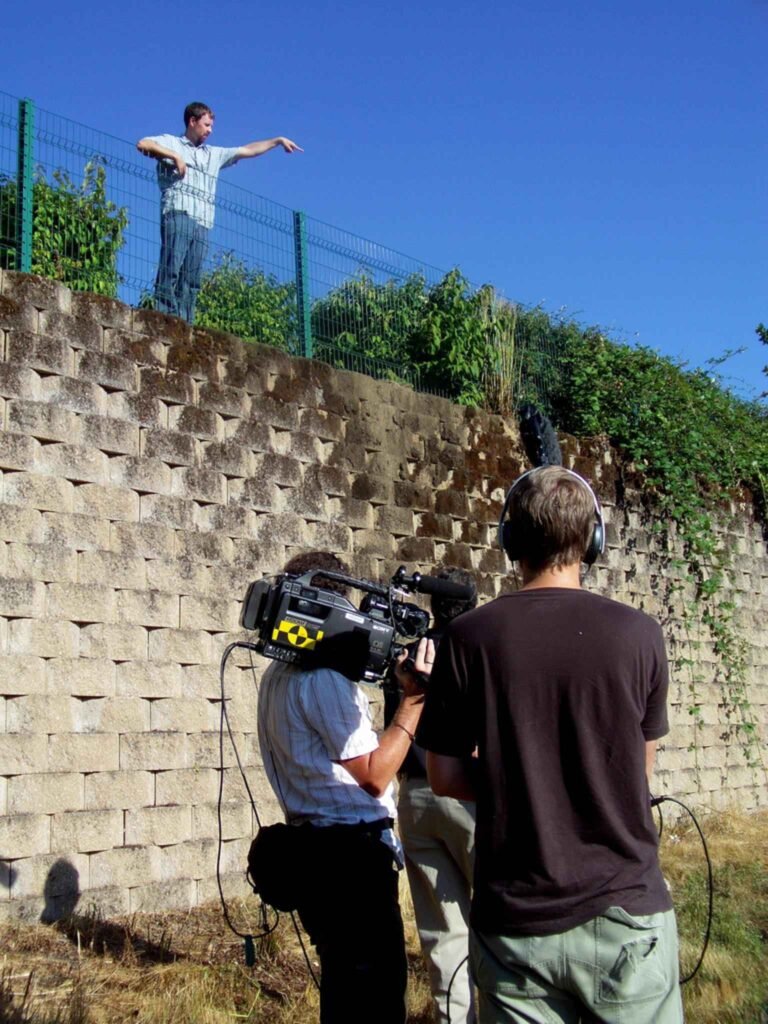

usa picture news website is a topic that rewards careful reading and trustworthy sourcing. A USA picture news website can make complicated stories approachable, but an attractive layout alone does not establish editorial credibility. Visual information has the power to make unfamiliar issues accessible, yet an image on its own rarely answers the entire question a reader has.
The following guide explains major concepts, practical checks and standards that help distinguish meaningful visual journalism from a polished but misleading presentation. Whether you are a student, casual news reader, researcher or content editor, the same questions matter: Who produced the visual material? When and where was it created? What does its caption establish? What remains uncertain?
Editorial Identity and Accountability
Readers should be able to discover who operates the publication, how to contact its editors and where corrections can be requested.
Consider an image of a public gathering. The frame shows one location at one moment, but it cannot establish how the event began, how many people took part or what each person believed. Reliable reporting provides those details separately.
In a reliable editorial process, such questions become part of routine review rather than an afterthought. Names, locations and dates should be checked against source material. Photographs used as general illustrations should be labeled differently from photographs that document the named incident. A compelling presentation cannot repair missing evidence, but precise reporting can help the audience interpret even an ordinary photograph.
For readers interested in usa picture news website, the practical response is to start with the originating publication and look for the details a photographer or editor can actually verify. When an image’s origin is unknown, avoid presenting the strongest interpretation as an established fact. Acknowledging the limits of visual evidence is often the clearest sign of editorial care.
Findable Sections and Useful Search
A clear structure separates breaking coverage, evergreen explainers, local reporting and visual features so visitors do not struggle to locate the right information.
When a photograph circulates as a screenshot, vital information can be missing. A date printed beside a social-media post may describe the time of sharing rather than the original moment captured. Returning to the source often changes the interpretation.
In a reliable editorial process, such questions become part of routine review rather than an afterthought. Names, locations and dates should be checked against source material. Photographs used as general illustrations should be labeled differently from photographs that document the named incident. A compelling presentation cannot repair missing evidence, but precise reporting can help the audience interpret even an ordinary photograph.
For readers interested in usa picture news website, the practical response is to start with the originating publication and look for the details a photographer or editor can actually verify. When an image’s origin is unknown, avoid presenting the strongest interpretation as an established fact. Acknowledging the limits of visual evidence is often the clearest sign of editorial care.
Captions and Creator Credits
Photographs should identify the subject and timing accurately. Whenever possible, source credits and licensing information should be clear.
Editors should choose images because they contribute accurate information, not simply because they are sensational. An emotional photograph can encourage attention, but it must not imply claims that cannot be verified.
In a reliable editorial process, such questions become part of routine review rather than an afterthought. Names, locations and dates should be checked against source material. Photographs used as general illustrations should be labeled differently from photographs that document the named incident. A compelling presentation cannot repair missing evidence, but precise reporting can help the audience interpret even an ordinary photograph.
For readers interested in usa picture news website, the practical response is to start with the originating publication and look for the details a photographer or editor can actually verify. When an image’s origin is unknown, avoid presenting the strongest interpretation as an established fact. Acknowledging the limits of visual evidence is often the clearest sign of editorial care.
News, Opinion and Promotional Content
Editorial news reports should be distinguishable from commentary, advertisements and sponsored content. Confusing these categories reduces reader trust.
An article may contain illustrations that help explain a subject. Such artwork is different from the direct photographic record of a specific event, and readers should be told about that distinction.
In a reliable editorial process, such questions become part of routine review rather than an afterthought. Names, locations and dates should be checked against source material. Photographs used as general illustrations should be labeled differently from photographs that document the named incident. A compelling presentation cannot repair missing evidence, but precise reporting can help the audience interpret even an ordinary photograph.
For readers interested in usa picture news website, the practical response is to start with the originating publication and look for the details a photographer or editor can actually verify. When an image’s origin is unknown, avoid presenting the strongest interpretation as an established fact. Acknowledging the limits of visual evidence is often the clearest sign of editorial care.
Accessible Visual Storytelling
Descriptive alt text and well-sized photographs help people with different devices and abilities use a photo-led publication.
Source comparisons are especially important for rapidly developing news. A single account, however confident its wording, may rely on the same unverified origin as many other reposts.
In a reliable editorial process, such questions become part of routine review rather than an afterthought. Names, locations and dates should be checked against source material. Photographs used as general illustrations should be labeled differently from photographs that document the named incident. A compelling presentation cannot repair missing evidence, but precise reporting can help the audience interpret even an ordinary photograph.
For readers interested in usa picture news website, the practical response is to start with the originating publication and look for the details a photographer or editor can actually verify. When an image’s origin is unknown, avoid presenting the strongest interpretation as an established fact. Acknowledging the limits of visual evidence is often the clearest sign of editorial care.
Transparent Updates and Corrections
Responsible websites correct meaningful errors and identify updated material, especially when a previously published photograph was miscaptioned.
Clear, informative descriptions matter for accessibility. Alternative text should describe the visually important content, while longer captions can provide additional facts, background and qualifications.
In a reliable editorial process, such questions become part of routine review rather than an afterthought. Names, locations and dates should be checked against source material. Photographs used as general illustrations should be labeled differently from photographs that document the named incident. A compelling presentation cannot repair missing evidence, but precise reporting can help the audience interpret even an ordinary photograph.
For readers interested in usa picture news website, the practical response is to start with the originating publication and look for the details a photographer or editor can actually verify. When an image’s origin is unknown, avoid presenting the strongest interpretation as an established fact. Acknowledging the limits of visual evidence is often the clearest sign of editorial care.
Image Authenticity and Licensing
Actual event photographs should not be confused with stock images, composites or AI art. Copyright permission is a separate issue from source attribution.
Respectful presentation is an editorial choice. If an image exposes private distress or risks identifying a vulnerable person, editors should examine whether its public value justifies publication.
In a reliable editorial process, such questions become part of routine review rather than an afterthought. Names, locations and dates should be checked against source material. Photographs used as general illustrations should be labeled differently from photographs that document the named incident. A compelling presentation cannot repair missing evidence, but precise reporting can help the audience interpret even an ordinary photograph.
For readers interested in usa picture news website, the practical response is to start with the originating publication and look for the details a photographer or editor can actually verify. When an image’s origin is unknown, avoid presenting the strongest interpretation as an established fact. Acknowledging the limits of visual evidence is often the clearest sign of editorial care.
Seven Questions to Ask About Any News Image
- Who made or supplied the picture, and is the original source accessible?
- What is the confirmed capture date, rather than merely the upload date?
- Does the caption accurately identify the place, event and visible subjects?
- Is the image documentary photography, an old archive, a stock picture or an illustration?
- What information does the image not show, and how is the wider story independently verified?
- Are copyright, licensing, consent and privacy concerns addressed?
- Can readers find corrections and later updates when reporting evolves?
A regular checklist cannot eliminate every error. It does, however, make accidental misinformation less likely. It also encourages the publication to preserve the context that often disappears when pictures are reposted on social media or passed through messaging services.
Responsible Visual Journalism Resources
The National Press Photographers Association Code of Ethics provides widely recognized ethical principles for visual journalists. The Associated Press news values and principles explain professional commitments to accuracy and editorial responsibility. Readers who want an example of everyday verification can also consult our guide to spotting fake online stores, where examining claims and visual clues is an important part of making informed choices.
Frequently Asked Questions
What does usa picture news website mean?
It refers to visual news or the practices surrounding the presentation of American news photographs. The exact meaning depends on whether someone is searching for a publisher, a photographic report or an explanation of journalism.
Are all pictures on news sites taken by journalists?
No. A news site may use licensed agency photographs, staff images, archived material, stock pictures, commissioned illustrations or AI-generated graphics. Correct labeling tells readers what each image represents.
Why are photograph captions so important?
Captions establish essential details such as when and where a scene was captured. Without that context, a truthful image may still be used to make a misleading claim.
Is it safe to share an image without checking its source?
It is better to investigate first, especially when the caption alleges wrongdoing, describes an emergency or identifies an individual. Preserve a link to the original source rather than circulating an unattributed screenshot.
Does photo credit mean the image is free to reuse?
No. Attribution and permission are separate questions. A publicly displayed photograph may remain copyrighted and subject to licensing conditions.
Conclusion
A USA picture news website can make complicated stories approachable, but an attractive layout alone does not establish editorial credibility. The strongest visual content combines accuracy, context, ethical consideration and meaningful explanations. A picture may introduce a story, but sourcing and reporting help readers understand its actual significance. Keep the original link, look at the capture date and resist inferring more from a single frame than it can show.