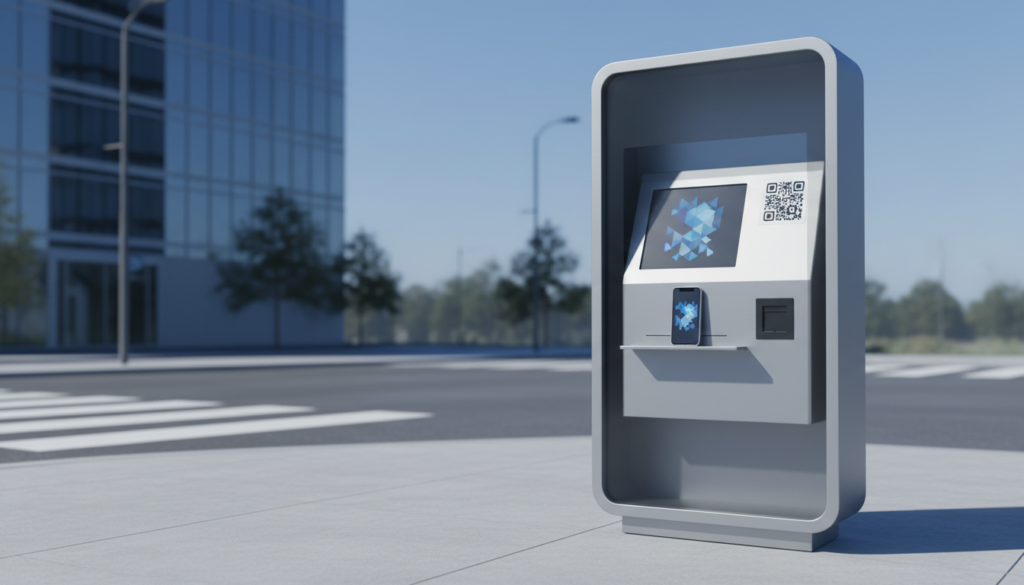

A Parking Meter QR Code Scam can redirect motorists from a legitimate parking sign to a lookalike payment site. QR codes make paying for parking convenient, but a sticker placed over the real code can lead drivers to a fake payment website. This can happen at public parking meters, private car parks and temporary signs. Drivers in the UK and USA should treat every code as a web link that needs checking, not as proof of the operator’s identity.
Quick take: Check the original source rather than accepting a surprising message, website or job offer at face value. The steps below focus on realistic decisions for readers in the United States and United Kingdom.
Parking Meter QR Code Scam: First Safety Checks
Practical Step-by-Step Guide
1. Inspect the sign for tampering
A sticker layered over another label, unusual printing, damaged edges or a code that does not match nearby instructions can be a warning. Do not pull apart public equipment; report a suspicious sticker to the operator or local authority and use an alternative approved payment method.
Action point: If anything seems inconsistent, stop and confirm the relevant information through a second, independently verified channel. Keep records of what you observed instead of providing more personal information.
2. Examine the actual destination
When your camera detects a QR code, check the full destination domain before opening it. Look for extra words, misspellings, odd subdomains and unfamiliar payment intermediaries. The padlock symbol is not sufficient evidence of legitimacy because fraudulent sites can also use encrypted connections.
Action point: If anything seems inconsistent, stop and confirm the relevant information through a second, independently verified channel. Keep records of what you observed instead of providing more personal information.
3. Identify the authorized operator
UK councils and private car park operators typically publish official parking payment options. In the USA, municipal parking departments and operators provide similar instructions. Navigate to the authority’s known website yourself, verify the car park or meter location number and use its official app or machine.
Action point: If anything seems inconsistent, stop and confirm the relevant information through a second, independently verified channel. Keep records of what you observed instead of providing more personal information.
4. Compare charges and required information
Legitimate payment systems generally ask for information needed to identify the vehicle, zone and parking time. A page that suddenly asks for your online banking password, identity document or an unrelated verification code is suspicious. Confirm the total before authorizing a card transaction.
Action point: If anything seems inconsistent, stop and confirm the relevant information through a second, independently verified channel. Keep records of what you observed instead of providing more personal information.
5. What to do if the payment fails
Do not enter the same card details repeatedly into an uncertain site. Check whether the bank has already recorded a charge and use a verified payment method if you still need parking. Keep evidence of an attempted payment in case you receive an enforcement notice later.
Action point: If anything seems inconsistent, stop and confirm the relevant information through a second, independently verified channel. Keep records of what you observed instead of providing more personal information.
6. Respond to possible card theft
If you entered card details on a suspected fake page, contact the card issuer through official channels. Ask whether the card should be locked or replaced. Keep a photograph of the altered sign and screenshots of the URL, but avoid putting the QR code link in a public social media post.
Action point: If anything seems inconsistent, stop and confirm the relevant information through a second, independently verified channel. Keep records of what you observed instead of providing more personal information.
7. Report the incident in your country
In the USA, consider reporting the fraud to the local parking authority and the FTC. In the UK, tell the local council or operator, forward suspicious links to the NCSC and contact the relevant fraud-reporting service if money was lost. Reporting also helps authorities remove tampered labels.
Action point: If anything seems inconsistent, stop and confirm the relevant information through a second, independently verified channel. Keep records of what you observed instead of providing more personal information.
Safety Checklist
- Use the service’s official app or type its web address directly.
- Check exactly which information is requested and whether it is necessary.
- Be suspicious of urgency, unexpected fees or pressure to keep a transaction secret.
- Keep a copy of genuine order, payment or application records.
- Contact your bank promptly if you suspect payment details have been compromised.
Related Guides on USAPicNews
Frequently Asked Questions
Are all parking QR codes fraudulent?
No. Many operators use genuine QR payments; check who operates the service.
Does HTTPS prove a parking website is legitimate?
No; encryption does not establish the identity of the seller.
Can I use a parking app instead?
Use only the app officially listed by the parking provider and verify the location code.
Official References
Editorial note: Rules, provider interfaces and reporting services can change. Always confirm the current process with the relevant official organization.
To reduce the risk of a Parking Meter QR Code Scam, confirm the payment operator and zone number through an independent official source.
Parking Meter QR Code Scam: A Two-Minute Parking Check
Before scanning a payment code, check whether it appears to be part of the original printed sign or a sticker placed over another label. A Parking Meter QR Code Scam can target drivers rushing to pay before a meeting. If the sign looks altered, use another authorised machine or the operator’s independently verified website.
In the United States, cities often publish the parking provider and location number on municipal websites. In the United Kingdom, local councils and private operators similarly list approved ways to pay. Check the zone or location identifier carefully, because a legitimate app with the wrong zone can still result in an unpaid stay.
Do not assume an encrypted connection proves that a payment page belongs to the real operator. If you already entered card data, contact your bank and report the suspicious payment point to the parking provider so the sign can be inspected.


