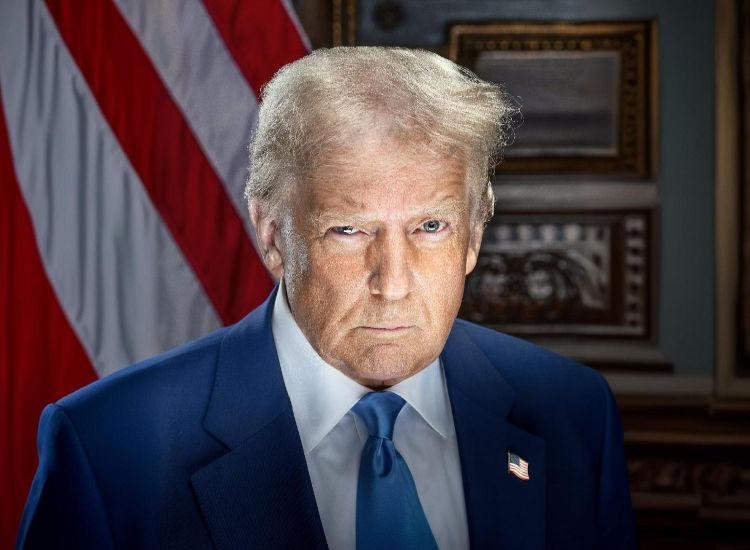

Donald Trump 2026: Latest News, Second-Term Policies, Midterm Elections, and What Comes Next
Donald Trump remains one of the most influential and controversial figures in American politics in 2026. As the 47th president of the United States, Trump is navigating a second term shaped by economic uncertainty, immigration enforcement, international conflicts, and a rapidly approaching congressional election.
With the 2026 US midterm elections scheduled for November 3, the political future of Trump’s agenda is attracting growing attention. Voters are evaluating economic conditions, government spending, border security, healthcare, and the direction of American foreign policy.
The coming months could be especially consequential because the outcome of the midterm elections will help determine how easily the president can advance legislation during the remainder of his term.
This article examines Donald Trump’s background, major policies, economic challenges, political support, and the developments readers should follow throughout late 2026 and into 2027.
Who Is Donald Trump?
Donald John Trump was born on June 14, 1946, in Queens, New York. Before entering politics, he established a public profile through real estate development, entertainment, and television.
Trump became nationally recognized through his business activities and his role in the reality television series The Apprentice. He later entered presidential politics as a Republican candidate, winning the 2016 election against Hillary Clinton.
He served as the 45th president from 2017 to 2021. Following his defeat in the 2020 election, Trump returned to the political spotlight and won the 2024 presidential election, becoming the 47th president. His second administration began on January 20, 2025.
Donald Trump: Quick Facts
| Detail | Information |
|---|---|
| Full name | Donald John Trump |
| Date of birth | June 14, 1946 |
| Age in October 2026 | 80 years |
| Birthplace | Queens, New York |
| Political party | Republican Party |
| Current position | 47th US President |
| Previous presidency | 45th US President |
| Current term began | January 20, 2025 |
| Vice President | JD Vance |
| Spouse | Melania Trump |
| Children | Donald Jr., Ivanka, Eric, Tiffany, Barron |
Donald Trump Latest News: October 2026
As October 2026 progresses, Trump’s administration faces heightened scrutiny over inflation, foreign affairs, presidential authority, and the upcoming midterm elections.
These issues are interconnected. Economic performance influences voter confidence, while international developments affect energy markets and government spending. Meanwhile, legal disputes continue to shape the boundaries of executive power.
Trump Campaigns Ahead of the 2026 Midterms
Trump has been campaigning for Republican candidates across the United States, including appearances in Arizona and Montana.
The administration emphasizes border enforcement, tax policy, national security, and economic accomplishments. Republican candidates hope the president’s visibility will motivate supporters to participate in an election in which Trump himself is not on the ballot.
However, his involvement also presents political risks in competitive districts. Some Republican strategists are concerned that Trump’s polarizing image could motivate opposition voters.
The central question is whether Republican turnout will be strong enough to preserve congressional control.
Inflation Remains a Major Challenge
Economic affordability is another important concern.
According to a Reuters report published October 14, US consumer prices increased by 3.7% over the preceding year in September 2026. Rising gasoline prices were a major contributor, while consumers also faced pressure from housing and other expenses.
For many households, the price of groceries, fuel, rent, and healthcare has a more immediate impact than broader indicators of economic growth.
Trump’s supporters argue that deregulation, tax policies, and domestic investment can strengthen long-term economic performance.
Critics question the effects of trade restrictions, fiscal decisions, and the administration’s approach to international relations.
The coming months will test which economic arguments resonate more strongly with American voters.
Donald Trump’s Second-Term Policies in 2026
Trump’s second-term agenda focuses heavily on immigration, economic nationalism, domestic energy production, national security, and executive authority.
These policies have generated both political support and legal challenges.
1. Immigration and Border Security
Immigration has been central to Trump’s political identity since his first presidential campaign.
His administration has prioritized stricter immigration enforcement, expanded screening, and restrictions intended to discourage unauthorized entry.
Supporters view these measures as necessary to enforce immigration law, protect public resources, and strengthen border security.
Opponents argue that some enforcement practices risk violating due process protections, separating families, and creating uncertainty for legally present immigrants.
Federal courts continue to examine aspects of immigration policy, making legal developments important to understanding the administration’s future direction.
2. Trade, Tariffs, and American Manufacturing
Trump has consistently emphasized protecting American manufacturing and using trade policy to influence international economic relationships.
Tariffs are a central part of this approach.
Supporters believe tariffs can encourage domestic production, strengthen negotiating power, and protect industries facing foreign competition.
Many economists caution that tariffs can raise import costs, increase prices for businesses and consumers, and invite retaliatory measures from trading partners.
The actual effects depend on the specific tariffs, the ability of businesses to change suppliers, currency movements, and the responses of other countries.
Trade policy will remain an important economic issue beyond the 2026 elections.
3. Energy Policy and Gasoline Prices
Energy affordability has become increasingly important as global instability affects oil and fuel markets.
Trump’s administration favors expanding domestic energy production and reducing regulatory barriers.
The White House has promoted these policies as a way to support economic growth and lower costs.
However, gasoline prices are influenced by global crude oil supply, refining capacity, international conflicts, and market expectations. Domestic production policy alone cannot determine prices.
Recent inflation data highlights why energy costs could influence voters’ economic assessments in November.
4. Healthcare and Government Spending
Healthcare costs and federal spending remain major subjects of disagreement between Republicans and Democrats.
The administration has highlighted initiatives involving prescription drug costs and Medicare-related improvements.
Critics continue to raise concerns about healthcare access, affordability, and the consequences of changes to federal assistance programs.
Policy outcomes will depend on legislation, administrative implementation, court decisions, and future budget negotiations.
5. Foreign Policy and International Relations
Trump’s foreign policy emphasizes national sovereignty, military strength, and negotiations intended to advance US strategic interests.
International crises have complicated that approach.
Relations with China, Russia, European allies, and countries in the Middle East carry consequences for security, international trade, energy markets, and diplomatic cooperation.
Supporters argue that Trump’s negotiating style can create leverage in difficult geopolitical situations.
Critics express concern about uncertainty in alliances, diplomatic commitments, and the potential for escalating conflicts.
The effects of these policies will remain important well into 2027.
Why the 2026 Midterm Elections Matter for Donald Trump
The November 3, 2026, midterm elections will determine which party controls the US House of Representatives and how seats in the Senate are distributed.
Although Trump will not be seeking reelection in 2026, the results will influence the political environment for the final two years of his presidency.
What Happens if Republicans Retain Congress?
If Republicans retain control of both chambers, Trump could face fewer legislative obstacles from Congress.
Republican lawmakers might have greater opportunities to advance priorities involving taxation, immigration, regulatory policy, and federal spending.
However, party control does not guarantee agreement. Internal divisions, Senate voting rules, legal challenges, and budget constraints can still limit what a president can accomplish.
What Happens if Democrats Gain Control?
If Democrats win control of one or both chambers, the administration could face more aggressive congressional oversight.
Democratic lawmakers could hold investigations, challenge spending priorities, and seek compromises or block certain legislative proposals.
At the same time, Trump would retain executive powers, subject to constitutional and statutory limits.
A divided government would make negotiation and institutional conflict especially important during 2027 and 2028.
Could the Election Change Trump’s Presidency?
The midterm elections cannot directly remove a president from office.
However, they can alter the balance of political power, influence legislative priorities, and affect the president’s ability to secure funding and pass new laws.
This is why the 2026 election is a crucial turning point for both major political parties.
Donald Trump and the US Economy: What to Watch
For Americans evaluating the second Trump administration, several economic indicators deserve attention.
Inflation and Consumer Prices
Inflation measures the rate at which prices increase across the economy.
Even when inflation slows, prices do not necessarily return to previous levels. Households may continue to experience financial pressure after a period of rapid price increases.
Future inflation reports will help show whether recent price pressures are easing or intensifying.
Jobs and Wage Growth
Employment conditions provide another measure of economic stability.
Strong job creation, rising real wages, and stable unemployment can support consumer confidence.
However, employment performance varies by industry, region, and income group.
Federal Reserve Interest Rates
The Federal Reserve makes monetary policy decisions independently of the White House.
Its interest-rate choices influence borrowing costs, mortgages, business investment, and broader financial conditions.
As inflation concerns persist, upcoming Federal Reserve decisions could become a significant political and economic story.
Stock Markets and Business Investment
Financial markets respond to corporate earnings, interest rates, inflation, and government policy.
Although market gains can signal investor optimism, stock performance alone does not capture the financial experience of every household.
A balanced assessment of Trump’s economy therefore requires examining multiple indicators rather than relying on a single statistic.
Why Donald Trump Remains a Divisive Political Figure
Trump maintains strong support among voters who favor stricter immigration policies, conservative judicial appointments, reduced regulation, and his approach to political communication.
His supporters often regard him as a politician willing to challenge established institutions and conventional Washington practices.
At the same time, critics question his approach to democratic institutions, executive authority, political rhetoric, and government accountability.
Legal disputes involving presidential power have also remained prominent. The Supreme Court continues to consider questions that could affect the scope of executive authority.
These disagreements help explain why Trump’s political influence extends beyond ordinary debates about taxes and spending.
For journalists and readers, distinguishing established facts, government claims, political criticism, and independent analysis is essential.
What Could Happen Next for Donald Trump in 2026 and 2027?
Several developments are likely to shape coverage of Trump during the coming months.
November 2026: Midterm Election Results
The most immediate milestone is the November 3 election.
The outcome will establish the balance of congressional power and influence discussions about the direction of Trump’s presidency.
Election results should be evaluated using official state election reporting rather than early projections alone.
December 2026: Economic and Policy Decisions
After the election, attention will shift toward inflation data, monetary policy, federal spending negotiations, and the administration’s remaining priorities for the year.
Changes in financial conditions could influence both business expectations and household confidence.
January 2027: A New Congress
The next Congress will convene in January 2027.
Its composition will affect congressional investigations, legislative negotiations, budget proposals, and the prospects for implementing further presidential priorities.
The political implications will become clearer once committee leadership and legislative agendas are established.
Throughout 2027: Trump’s Second-Term Agenda
During 2027, immigration, healthcare, trade, foreign affairs, and economic policy will remain central subjects of debate.
Court rulings and congressional negotiations may also affect how the administration implements its priorities.
Rather than assuming a specific outcome, readers should follow official announcements and independently verified reporting.
Donald Trump’s Long-Term Political Legacy
Trump’s influence on American politics has already extended across multiple election cycles.
His rise transformed Republican campaign messaging and changed debates about immigration, international trade, media relations, and the role of federal institutions.
Supporters associate his leadership with challenging political norms, pursuing conservative policy goals, and emphasizing American economic interests.
Critics associate his presidency with political polarization, disputed institutional practices, and concerns about democratic accountability.
How historians assess his second presidency will depend not only on campaign promises but also on measurable economic performance, legal developments, diplomatic outcomes, and the durability of policy changes.
Official White House biography
Donald Trump’s official biography
Conclusion
Donald Trump enters the closing months of 2026 at a significant moment in his second presidency.
The approaching midterm elections, inflation concerns, immigration debates, international developments, and legal challenges are shaping the political landscape.
The November 3 congressional elections will provide an important indication of the public’s political preferences, but they will not settle every debate surrounding the administration.
As 2027 approaches, Trump’s ability to navigate economic pressures, congressional relationships, and international challenges will remain essential to evaluating his presidency.
For readers following Donald Trump in 2026, the most useful approach is to examine verified developments, distinguish political statements from confirmed outcomes, and monitor how government decisions affect everyday life.